amazing experience dining and staying here. the location is beautiful and quiet, surrounded by hills. the place is well kept and the rooms are clean and comfortable. the food is very good, everything at dinner was excellent from the antipasti to the dessert. the breakfast was also delicious and fresh. the server at dinner was very friendly and kind. the owners are especially welcoming and accommodating. definitely recommended, even just for a nice dinner.
Overview
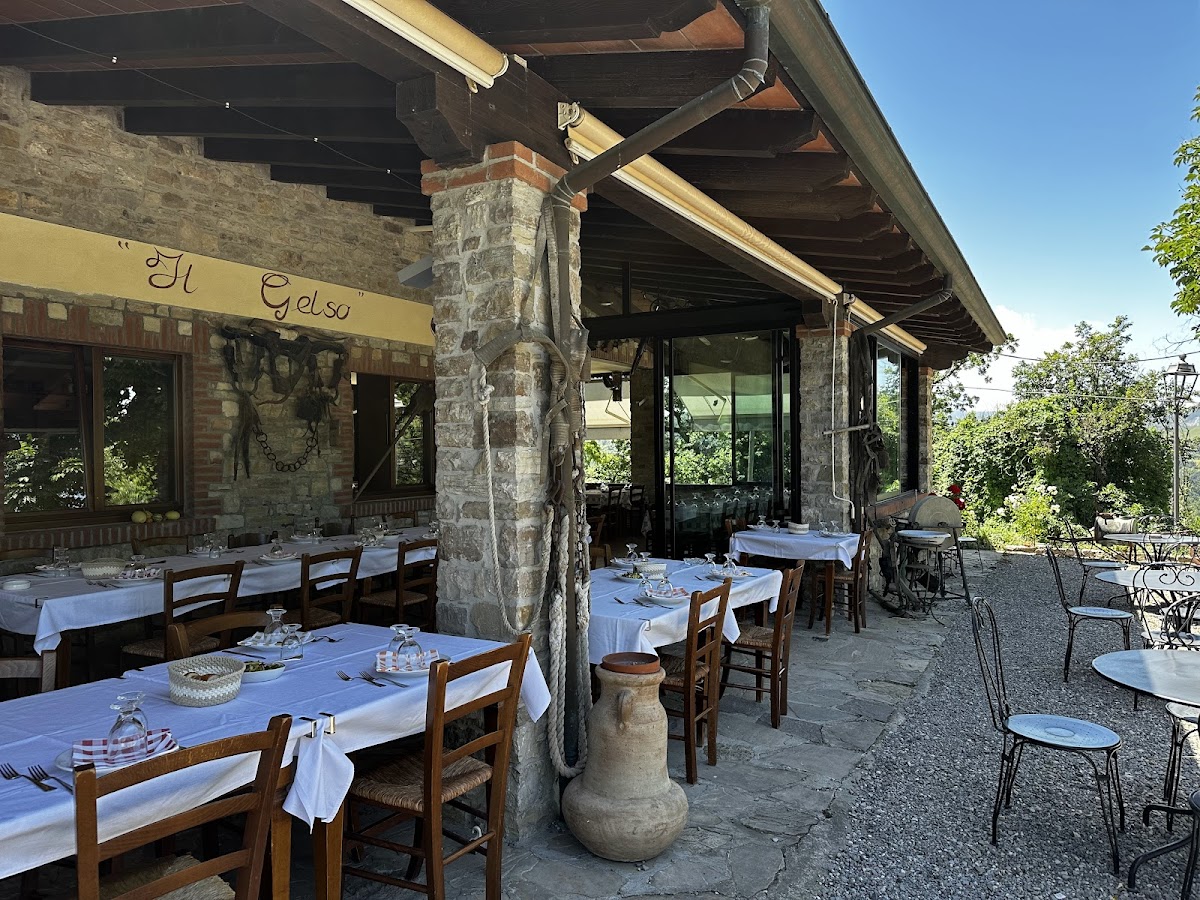
Tucked away in the rolling hills of Emilia-Romagna, Agriturismo Il Gelso at Località Montecanino, 34, 29010 Piozzano PC, Italy, feels like the kind of place you discover once and then quietly recommend only to close friends. I first drove up the winding country road on a late spring afternoon, when the vineyards were glowing green and the air carried that faint scent of freshly cut grass. By the time I sat down at the rustic wooden table overlooking the valley, I already knew this wasn’t going to be just another countryside meal.
The setting is classic agriturismo: a restored farmhouse, panoramic terraces, and fields that stretch toward the Apennines. But what makes the experience memorable is how deeply the kitchen is rooted in local tradition. Emilia-Romagna is widely recognized by organizations like the Italian Academy of Cuisine for its culinary heritage-think handmade pasta, slow-cooked ragù, and carefully aged cured meats. Here, those traditions are not just referenced on the menu; they’re practiced daily, often with ingredients grown or sourced nearby.
During my visit, the menu followed a seasonal rhythm. We started with platters of local salumi and house-made giardiniera. The coppa was delicate and fragrant, while the pancetta melted almost instantly. According to data from Coldiretti, Italy’s largest agricultural association, farm-to-table models like agriturismi significantly reduce supply chains and preserve regional biodiversity. You can taste that difference here. The vegetables had that slightly irregular shape and intense flavor that only small-scale farming produces.
The pasta course was the highlight. Fresh tortelli filled with ricotta and herbs arrived dressed simply in butter and sage. It sounds minimal, but that simplicity is exactly the point. When the dough is rolled by hand and the filling is made that morning, you don’t need heavy sauces. I’ve worked with chefs who insist that fresh egg pasta should cook for no more than a few minutes to maintain texture, and that’s precisely what happened here-the bite was tender yet structured. It’s a small detail, but it speaks volumes about kitchen expertise.
For the main course, I tried slow-braised beef served with roasted potatoes and garden greens. The meat had been cooked at a low temperature for hours, a technique widely endorsed by culinary institutes because it breaks down collagen without drying the fibers. The result was rich but not greasy, hearty but still refined. My companion opted for grilled pork, seasoned with local herbs and finished over open flame, which added a subtle smokiness that lingered pleasantly.
Dessert kept things traditional: homemade crostata with fruit preserves and a creamy mascarpone-based sweet. Paired with a glass of local Gutturnio wine, it rounded out the meal without overwhelming it. Emilia-Romagna is home to several protected designation of origin products, and regional wines play a huge role in elevating the dining experience. The staff were happy to explain pairings in simple, clear terms, making the whole process feel welcoming rather than intimidating.
What stands out in reviews of this location is the balance between authenticity and hospitality. Service is warm, unpretentious, and attentive without hovering. When I asked about the olive oil, the owner walked me through their sourcing process and even mentioned how harvest timing affects acidity levels. That kind of transparency builds trust. You’re not just eating a meal; you’re understanding the story behind it.
Of course, like many countryside restaurants, opening hours can vary by season, and reservations are strongly recommended, especially on weekends. It’s always wise to check current details before planning a visit. Still, that slight unpredictability is part of the charm. This isn’t a fast-paced urban diner; it’s a place shaped by land, weather, and tradition.
Between the panoramic location, the thoughtfully curated menu, and the steady stream of positive guest feedback, this farmhouse restaurant offers more than just good food. It delivers a genuine slice of rural Italian life, grounded in culinary skill and agricultural integrity, and that’s what keeps people coming back.
Good to know
Service options
✓ Outdoor seating ✓ Dine-in ✓ DeliveryHighlights
✓ Fireplace ✓ Great coffee ✓ Great dessert ✓ Great wine list ✓ Rooftop seatingPopular for
✓ Lunch ✓ Dinner ✓ Solo diningAccessibility
✓ Wheelchair-accessible car park ✓ Wheelchair-accessible entrance ✓ Wheelchair-accessible seating ✓ Wheelchair-accessible toiletOfferings
✓ Alcohol ✓ Beer ✓ Coffee ✓ Healthy options ✓ Private dining room ✓ Small plates ✓ Spirits ✓ WineDining options
✓ Breakfast ✓ Lunch ✓ Dinner ✓ Dessert ✓ Seating ✓ Table serviceAmenities
✓ Bar on site ✓ ToiletAtmosphere
✓ Casual ✓ Cosy ✓ Quiet ✓ RomanticCrowd
✓ Groups ✓ TouristsPlanning
✓ Lunch reservations recommended ✓ Dinner reservations recommended ✓ Accepts reservationsPayments
✓ Credit cards ✓ Debit cards ✓ NFC mobile payments ✓ Credit cardsChildren
✓ Good for kids ✓ Good for kids birthday ✓ High chairsParking
✓ Free of charge street parking ✓ Free parking lot ✓ ParkingPets
✓ Dogs allowedPhotos
1 / 4
Location
Reviews
- No ratings yet 620 reviews
Everything was great at Agriturismo Il Gelso, the place was clean, great waiters, good atmosphere and had nice company. The food was delicious and the waiter taking orders was very careful taking my order as I am Muslim and can't eat pork, she made sure I got everything without pork. We had primis, secondis, and dessert . Everything was fresh and delicious, I enjoyed every bite of it. I would definitely go back if it wasn't hard to find it on Google. Only one problem was that the restaurant is on top of a hill, and google make me take a road which wasn't great and felt like my car crashed onto something and had to get to slowly. There is an alternative road the takes you up there. Please take that one.
Delicious Food accompanied by the best service one can imagine. They make you feel at home.
Amazing dinner for 4 with appetizers, homemade pasta and house wine for less than 30 euros per person. Fantastic service and friendly staff.
Ho mangiato molto bene. I salumi erano ottimi, così come i tortelli e i pisarei, preparati secondo la migliore tradizione piacentina. Una cucina tipica e genuina, tra le migliori mai provate in zona. La location è splendida, immersa nel verde delle colline piacentine. Dopo pranzo è possibile fare una passeggiata all’ombra delle stradine che circondano l’antico Castello di Montecanino, un luogo suggestivo e ricco di fascino. Un’esperienza all’insegna della pace e della serenità, perfetta per chi cerca buon cibo e tranquillità.